
Nutritional Science for Men Over 40
Understanding dietary needs during midlife and beyond
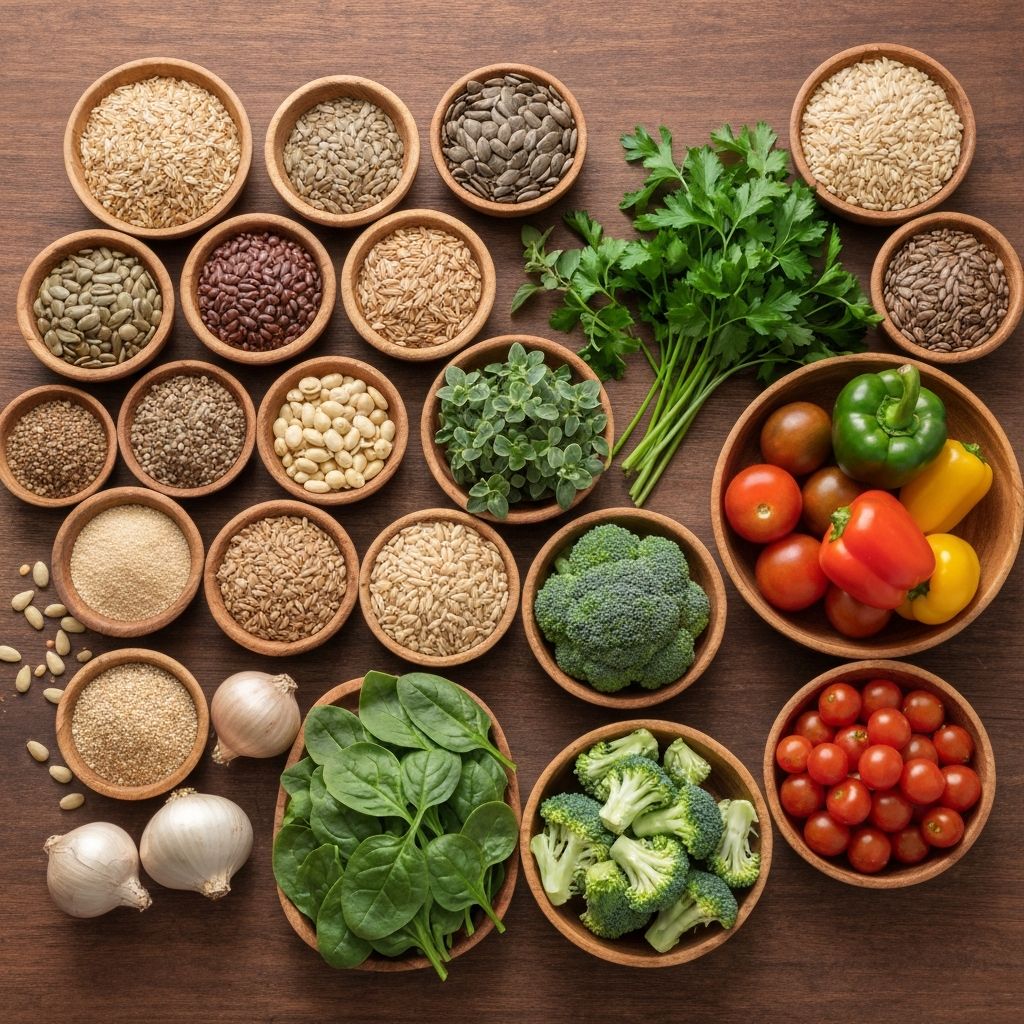
Whole-Plant Nutrition Foundation
Nutritional science supports plant-centered dietary patterns as supporting comprehensive wellness during midlife and beyond. Emphasis on diverse whole-plant foods—rather than isolated supplements—represents the foundation of botanical nutrition for men 40+.
This approach incorporates:
- Leafy greens and vegetables for minerals and vitamins
- Seeds and nuts for minerals, healthy fats, and protein
- Legumes for protein and plant-based nutrition
- Whole grains for fiber and sustained nutrition
- Berries and fruits for antioxidants and vitamins
- Herbs and botanical sources for diverse compounds
Key Nutritional Considerations for Men 40+
As men enter and navigate midlife, several nutritional shifts merit attention from dietary perspective:
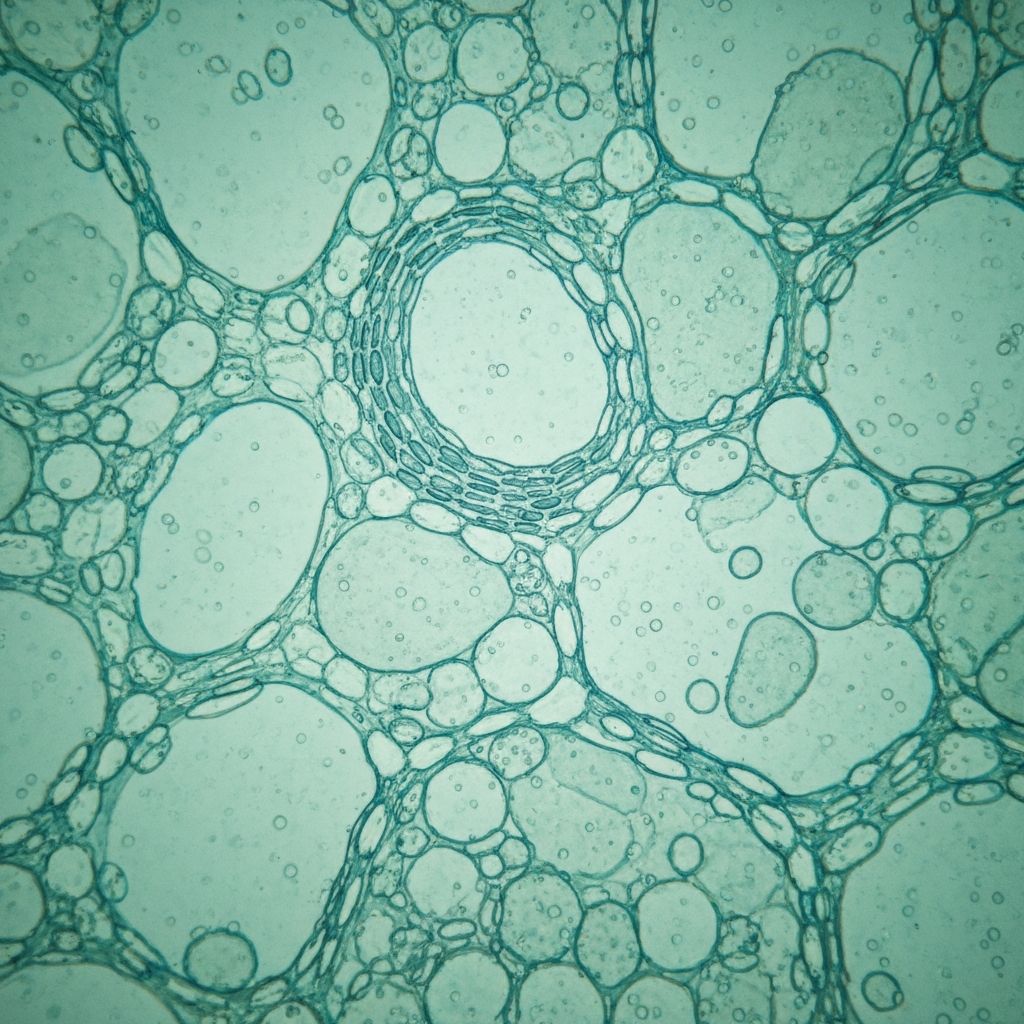
Protein & Muscle Support
Plant-based proteins from legumes, nuts, seeds, and whole grains support protein requirements that may increase to maintain muscle mass during midlife. Diverse plant proteins provide amino acid profiles supporting nutritional completeness.
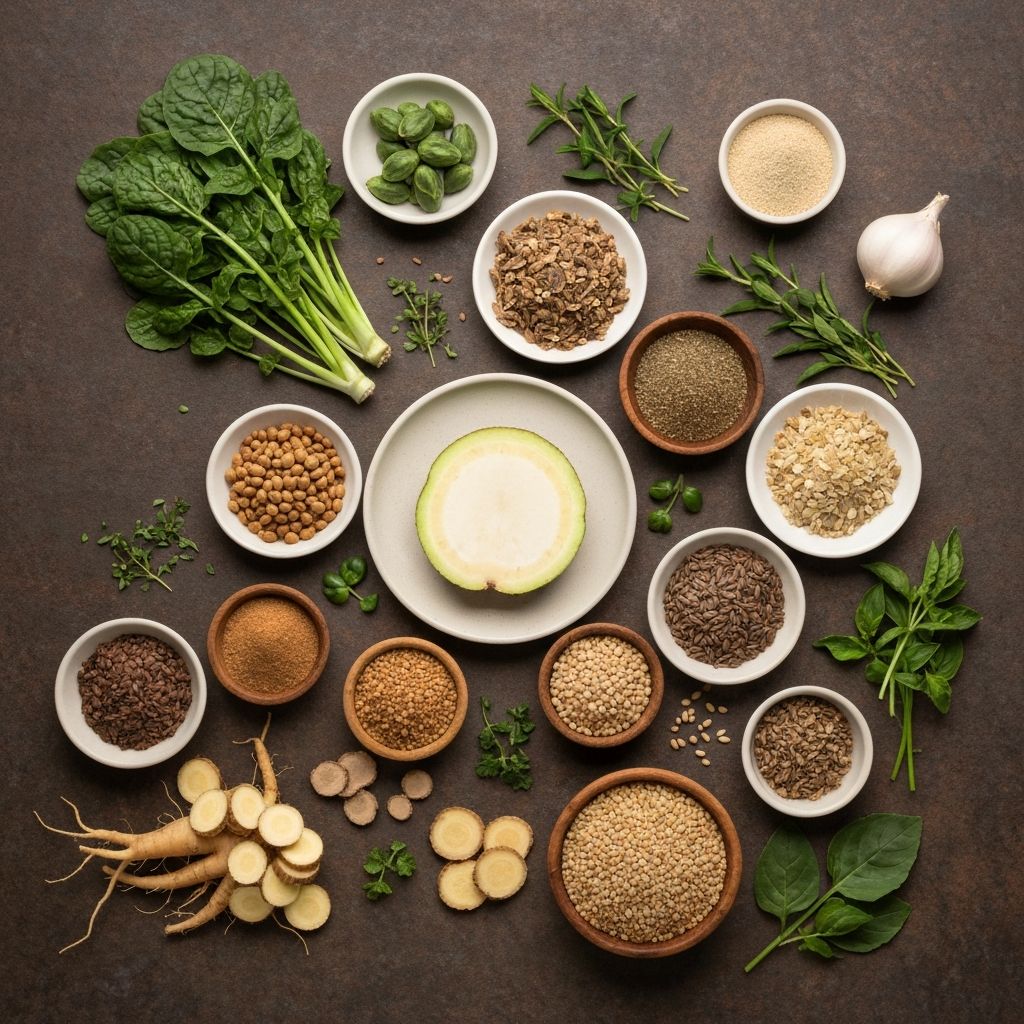
Antioxidant & Micronutrient Density
Increased oxidative stress with aging makes antioxidant-rich plant foods increasingly relevant. Diverse plant sources provide minerals (zinc, magnesium, selenium) and vitamins supporting age-related nutritional needs and general wellness.
Micronutrient Focus for Midlife Men
Certain nutrients become particularly relevant for men during midlife and beyond:
| Nutrient | Plant Sources | General Function | Midlife Relevance |
|---|---|---|---|
| Zinc | Pumpkin seeds, sesame, hemp seeds, legumes | Enzyme function, immune support | Absorption efficiency may decrease with age; adequate intake becomes important |
| Magnesium | Leafy greens, nuts, seeds, whole grains | Muscle function, energy metabolism | Supports muscle maintenance and cardiovascular function during midlife |
| Vitamin D | Mushrooms, fortified plant milks, sunlight synthesis | Bone health, immune function | Absorption and synthesis efficiency changes with age; becomes nutritionally critical |
| B Vitamins | Whole grains, legumes, leafy greens, nuts | Energy metabolism, nervous system | B12 absorption decreases with age; B-vitamin needs increase in many cases |
| Selenium | Brazil nuts, seeds, whole grains | Antioxidant enzyme function | Supports immune function and antioxidant systems during aging |
| Iron | Legumes, leafy greens, seeds, whole grains | Oxygen transport, energy | Plant-based iron requires attention to bioavailability through food pairing |
Practical Dietary Principles for Men 40+
These principles support nutritional adequacy through plant-based whole foods:
- Dietary Diversity: Consume wide variety of plant foods across categories—leafy greens, roots, seeds, legumes, grains, berries—to ensure comprehensive micronutrient intake
- Whole Food Priority: Emphasize whole plant foods over processed items or isolated supplements as nutritional foundation
- Seasonal Eating: Rotate seasonal produce and herbs to maintain natural dietary variety and support local botanical knowledge
- Preparation Attention: Consider how preparation methods (raw, cooked, fermented) affect nutrient bioavailability and optimize food combinations
- Consistent Intake: Regular consumption of diverse plant foods provides sustained nutritional support rather than sporadic supplementation
- Individual Responsiveness: Monitor personal digestion, energy, and overall wellness to identify individual dietary patterns that support well-being
- Professional Guidance: Consult healthcare providers for individual assessment, particularly regarding specific health conditions or medication interactions
Addressing Common Nutritional Challenges
Plant proteins differ from animal proteins in amino acid profiles, but consuming variety of legumes, nuts, seeds, and whole grains provides complete amino acid coverage. Combining different plant proteins throughout the day supports nutritional adequacy. Caloric intake must be sufficient to meet protein needs—plant foods are generally lower in calories per volume, requiring attention to adequate portions.
Some plant foods contain compounds (phytates, oxalates) that can reduce mineral absorption. However, traditional preparation methods (soaking, sprouting, fermenting) reduce these compounds. Additionally, consuming varied mineral sources, combining with vitamin C for iron absorption, and consuming with healthy fats for fat-soluble nutrients optimize bioavailability. Individual gut health significantly influences mineral absorption efficiency.
Plant foods are generally less calorie-dense than animal products. This can support weight management but requires attention to adequate portions to meet caloric needs. Combining higher-calorie plant sources (nuts, seeds, oils) with lower-calorie foods (vegetables) supports satiety and nutritional adequacy. Individual needs vary; some may find plant-centered diets naturally support healthy weight, while others require intentional attention to portions.
Plant foods generally don't naturally contain reliable B12 sources. Fortified plant milks, nutritional yeast, or supplementation may be appropriate for plant-centered diets. This represents an important distinction—while most nutrients are adequately provided by plant foods, B12 may require specific attention or supplementation. Individual B12 status should be assessed through healthcare provider testing, particularly for those eating exclusively plant-based diets.
Moving Forward with Plant Nutrition
Nutritional adequacy for men 40+ is achievable through thoughtful, diverse plant-based eating. Key principles include:
- Prioritizing whole plant foods over processed items
- Maintaining dietary diversity as primary strategy
- Understanding individual nutritional needs and responsiveness
- Working with healthcare professionals for personalized assessment
- Appreciating botanical knowledge while maintaining scientific perspective
- Recognizing that effective nutrition involves sustained patterns rather than single interventions
Educational content only. No promises of outcomes.